
Table of Contents
ToggleHome sweet home strategies help transform any living space into a place of comfort and function. A well-designed home does more than provide shelter, it supports daily routines, reflects personal style, and offers a retreat from the outside world. Yet many homeowners struggle to achieve that balance between aesthetic appeal and practical living.
The good news? Creating a comfortable home doesn’t require a massive budget or professional interior design skills. It starts with intentional choices about how spaces are organized, decorated, and used. This guide covers practical home sweet home strategies that anyone can apply, from decluttering techniques to design tips that enhance both comfort and functionality.
Key Takeaways
- Home sweet home strategies start with decluttering—sort belongings into keep, donate, and discard categories to reduce visual noise and daily stress.
- Layered lighting, soft textures, and thoughtful furniture placement directly enhance comfort and make spaces more inviting.
- Create functional zones for different activities like work, relaxation, and play to maximize your home’s usability.
- Personalize your space with photographs, artwork, plants, and meaningful collections that reflect your style and experiences.
- Establish daily and weekly routines, such as a 10-minute evening tidy, to maintain order and keep your home guest-ready.
- Apply the 80/20 rule: keep the 20% of items you use most often within easy reach and store rarely used belongings in less accessible areas.
Declutter and Organize Your Space
Clutter creates visual noise. It makes rooms feel smaller, increases stress levels, and makes daily tasks harder than they need to be. Effective home sweet home strategies begin with removing items that no longer serve a purpose.
Start by sorting belongings into three categories: keep, donate, and discard. Be honest during this process. That exercise bike collecting dust? It’s time to let it go. The stack of magazines from 2019? They can find a new home.
Once the excess is cleared, focus on organization systems that work for actual habits. Storage solutions should match how people naturally move through their space. A basket near the door holds keys and mail. Drawer dividers keep utensils accessible. Labeled bins in closets make seasonal items easy to find.
The goal isn’t perfection, it’s creating systems that reduce daily friction. When everything has a designated spot, maintaining order becomes automatic rather than exhausting.
Consider the 80/20 rule: most people use 20% of their belongings 80% of the time. Keep those items within easy reach. Store rarely used possessions in less accessible areas like high shelves or under-bed containers.
Enhance Comfort With Thoughtful Design Choices
Design choices directly affect how comfortable a space feels. Home sweet home strategies should address lighting, texture, and furniture placement to maximize relaxation and usability.
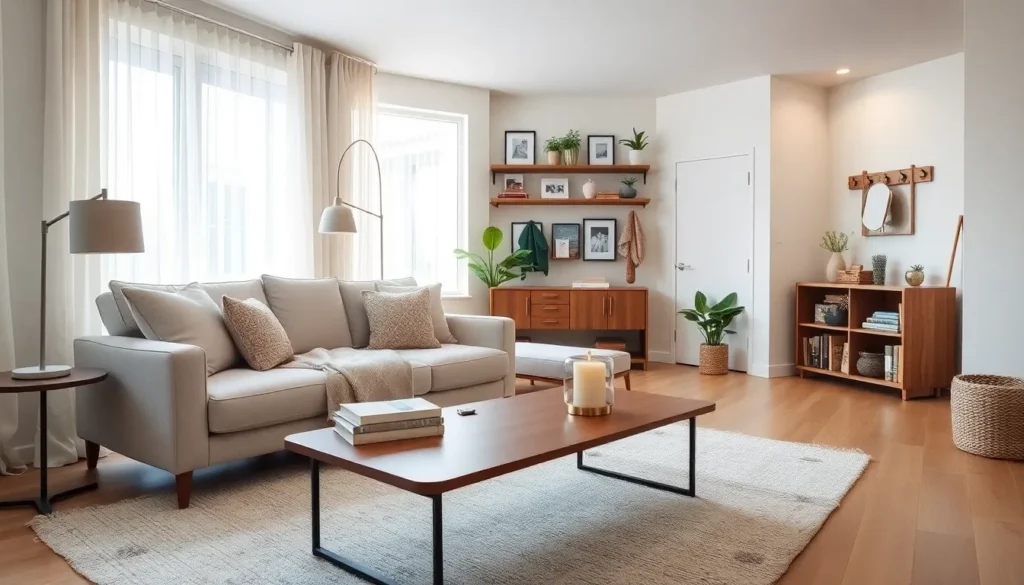
Lighting matters more than many people realize. Natural light boosts mood and energy levels during the day. At night, layered lighting, a combination of overhead fixtures, table lamps, and accent lights, creates warmth without harsh glare. Dimmer switches offer flexibility for different activities and times of day.
Texture adds physical and visual comfort. Soft throw blankets on sofas invite relaxation. Area rugs define spaces and provide cushioning underfoot. Curtains soften hard window edges while controlling light and privacy.
Furniture arrangement affects traffic flow and social interaction. Seating should encourage conversation without blocking pathways. In living rooms, arrange chairs and sofas to face each other rather than all pointing at the television. Leave at least 30 inches between furniture pieces for comfortable movement.
Color psychology plays a role too. Cool blues and greens promote calm in bedrooms. Warm yellows and oranges energize kitchens and dining areas. Neutrals provide flexibility and make spaces feel larger.
Don’t overlook temperature control. A comfortable home stays between 68-72°F for most activities. Ceiling fans, portable heaters, and smart thermostats help maintain ideal conditions throughout the year.
Create Functional Zones for Daily Activities
Modern homes serve multiple purposes. People work, exercise, relax, and socialize in the same square footage. Smart home sweet home strategies include creating distinct zones for different activities.
A dedicated workspace improves productivity and helps separate professional responsibilities from personal time. Even a small desk in a corner, with proper lighting and a comfortable chair, can serve as an effective home office. The key is visual and physical separation from relaxation areas.
Reading nooks don’t require much space. A comfortable chair near a window, a small side table for beverages, and good task lighting create an inviting spot for books and quiet time.
Kitchens benefit from the work triangle concept: position the sink, stove, and refrigerator in a triangular layout for efficient cooking. Keep frequently used tools and ingredients within arm’s reach of prep areas.
Entryways deserve attention as transition zones. A bench for removing shoes, hooks for coats, and a tray for essentials like sunglasses and wallets makes coming and going smoother.
For families with children, designate specific play areas with easy-to-clean flooring and accessible toy storage. This approach contains mess while giving kids ownership of their space.
Incorporate Personal Touches That Reflect Your Style
A house becomes a home through personalization. Home sweet home strategies should include elements that reflect the inhabitants’ personalities, experiences, and values.
Photographs tell stories. Gallery walls showcase family memories, travel adventures, and meaningful moments. Mix frame styles and sizes for visual interest, or keep them uniform for a cleaner look.
Artwork doesn’t need to be expensive to be impactful. Local art fairs, thrift stores, and online marketplaces offer unique pieces at reasonable prices. Even children’s drawings, properly framed, can add charm and sentiment to any room.
Collections create conversation. Books arranged by color or subject reflect interests. Vintage finds from flea markets show personality. Plants bring life and improve air quality while adding natural beauty.
Scent contributes to atmosphere. Candles, diffusers, or fresh flowers can make spaces feel welcoming. Choose subtle fragrances that don’t overwhelm, lavender for bedrooms, citrus for kitchens, vanilla for living areas.
Textiles offer opportunities for self-expression. Throw pillows, blankets, and table linens can be swapped seasonally to refresh a room’s look without major investment.
Establish Routines That Support a Welcoming Home
Physical improvements only go so far. Sustainable home sweet home strategies require daily and weekly routines that maintain comfort and order.
A 10-minute evening tidy makes mornings easier. Put away items left out during the day. Wipe kitchen counters. Fluff couch cushions. These small actions prevent clutter accumulation and keep spaces guest-ready.
Weekly cleaning schedules distribute tasks evenly. Monday for bathrooms. Wednesday for vacuuming. Saturday for laundry. Breaking chores into manageable pieces prevents overwhelming weekend cleaning marathons.
Seasonal maintenance protects the investment in a comfortable home. Change HVAC filters quarterly. Deep clean refrigerators twice yearly. Rotate mattresses every few months. These tasks extend the life of appliances and furnishings.
Mealtime rituals strengthen family bonds and create positive associations with home. Even busy households can establish one shared meal per day. Setting the table properly, not eating from the pot while standing at the stove, elevates ordinary moments.
Bedtime routines signal the transition from active to restful hours. Dimming lights, turning off screens, and preparing the bedroom for sleep all contribute to better rest.