Table of Contents
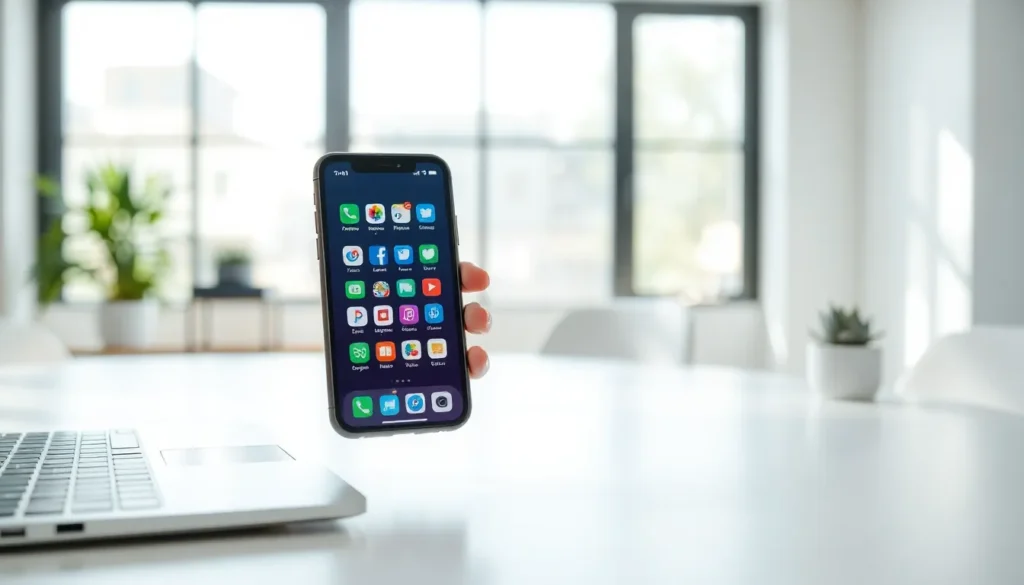
ToggleThe best top mobile apps in 2025 shape how people work, connect, and relax. Smartphones now serve as personal assistants, entertainment hubs, and fitness coaches. With millions of apps available across iOS and Android, finding the right ones saves time and improves daily life.
This guide covers the best top mobile apps across five major categories. Readers will discover productivity tools, social platforms, streaming services, and health apps worth downloading. Each recommendation reflects current user ratings, feature sets, and real-world performance.
Key Takeaways
- The best top mobile apps in 2025 span five major categories: productivity, social media, entertainment, health, and fitness.
- Productivity apps like Notion, Todoist, and Google Calendar help users manage tasks and schedules with cross-platform sync and offline access.
- Social media apps such as WhatsApp, Instagram, and Discord serve different purposes—choose platforms based on your personal and professional communication needs.
- Entertainment apps like Netflix, Spotify, and TikTok transform smartphones into portable theaters, with free tiers available for most services.
- Health and fitness apps including MyFitnessPal, Strava, and Headspace turn phones into personal trainers that track activity and guide wellness goals.
- Start with one app per category, test free versions first, and audit your apps quarterly to maintain phone performance and avoid app overload.
Productivity and Organization Apps
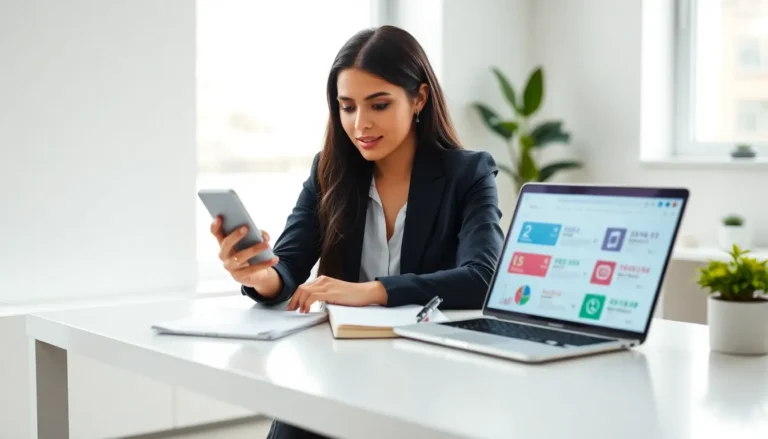
Productivity apps help users manage tasks, schedules, and projects from their phones. The best top mobile apps in this category turn scattered to-do lists into actionable plans.
Notion remains a favorite for its flexibility. Users create databases, wikis, and task boards within one app. The 2025 update added AI-powered writing assistance and faster sync speeds. Teams and individuals both benefit from its customizable templates.
Todoist excels at simple task management. Its clean interface lets users add tasks in seconds using natural language input. Type “Submit report tomorrow at 3pm” and the app schedules it automatically. The karma system gamifies productivity, which keeps users engaged.
Google Calendar continues to dominate scheduling. Integration with Gmail, Meet, and other Google services makes it essential for Android users. The “Focus Time” feature blocks distractions during important work periods.
Evernote handles note-taking with powerful search capabilities. Users can find handwritten notes, PDF text, and images through keyword searches. The document scanner turns phones into portable scanners for receipts and contracts.
These productivity apps share common strengths: cross-platform sync, offline access, and regular updates. Users who install two or three from this list cover most organizational needs.
Social Media and Communication Apps
Social media apps connect billions of users daily. The best top mobile apps for communication balance features with privacy and usability.
WhatsApp leads global messaging with end-to-end encryption. Voice calls, video chats, and group conversations work seamlessly across countries. The 2025 version introduced channels for following creators and businesses without adding contacts.
Instagram evolved beyond photo sharing. Reels compete directly with TikTok, while shopping features turn the app into a marketplace. Creators use the subscription model to monetize exclusive content.
Discord expanded from gaming communities to general interest groups. Servers organize conversations by topic through channels. Screen sharing and voice chat make it useful for remote collaboration too.
Telegram appeals to privacy-focused users. Self-destructing messages, secret chats, and no phone number requirements attract those avoiding mainstream platforms. File sharing supports documents up to 2GB.
LinkedIn serves professionals networking and job hunting. The algorithm favors original posts over shared content, rewarding users who create thoughtful updates. Premium features include salary insights and direct recruiter messaging.
Each social app serves different purposes. Most users maintain accounts on three to five platforms depending on their personal and professional needs.
Entertainment and Streaming Apps
Entertainment apps transform smartphones into portable theaters and gaming consoles. The best top mobile apps for streaming deliver content worth the subscription cost.
Netflix maintains its streaming crown with original programming. The mobile-only plan offers affordable access in select markets. Downloads allow offline viewing during commutes or flights.
Spotify dominates music streaming with 100 million tracks. Personalized playlists like Discover Weekly introduce users to new artists. Podcast integration makes it a one-stop audio destination.
YouTube serves as both entertainment platform and learning resource. Premium subscribers enjoy ad-free viewing, background play, and YouTube Music access. Shorts compete with TikTok for short-form video attention.
TikTok captures hours of daily screen time from younger demographics. The algorithm learns preferences quickly, serving content users didn’t know they wanted. Creators earn through the Creator Fund and live gifts.
Xbox Game Pass and Apple Arcade bring console-quality gaming to mobile. Subscribers access hundreds of games without individual purchases. Cloud gaming through these services streams AAA titles directly to phones.
Entertainment apps often overlap, users might watch YouTube during lunch and Netflix at night. Free tiers with ads exist for most services, though premium versions remove interruptions.
Health and Fitness Apps
Health apps turn phones into personal trainers and wellness coaches. The best top mobile apps for fitness track activity, guide workouts, and monitor vital signs.
MyFitnessPal leads calorie tracking with a database of 14 million foods. Barcode scanning logs meals in seconds. Integration with fitness trackers and smart scales provides a complete health picture.
Strava motivates runners and cyclists through social features. Segment leaderboards create friendly competition among local athletes. GPS tracking records routes and performance metrics accurately.
Headspace brings meditation to beginners and experienced practitioners. Guided sessions last from three to 45 minutes. Sleep sounds and focus music expand its usefulness beyond meditation.
Nike Training Club offers free workout videos from professional trainers. Programs range from yoga to high-intensity interval training. Equipment-free options suit users exercising at home.
Apple Health and Google Fit aggregate data from multiple sources. These native apps pull information from wearables, third-party apps, and manual entries. Health records integration stores medical documents securely.
Fitness apps work best when used consistently. Starting with one or two prevents overwhelm. Users can add specialized apps as their health goals evolve.
How to Choose the Right Apps for Your Needs
Selecting the best top mobile apps requires honest assessment of personal habits and goals. Not every popular app fits every user.
Identify specific problems first. Someone struggling with task management needs Todoist or Notion, not another social media app. Define what improvement looks like before downloading anything.
Check storage and battery impact. Some apps consume significant resources. TikTok and Instagram drain batteries quickly. Users with older phones should monitor app performance after installation.
Read recent reviews. App store ratings reflect current user experiences. Sort by newest reviews to catch recent bugs or policy changes. A five-star app from 2023 might perform poorly after updates.
Test free versions first. Most productivity and fitness apps offer free tiers. Evaluate features before committing to subscriptions. Many users discover free versions meet their needs completely.
Consider privacy implications. Social apps collect significant personal data. Review permissions before installation. Location tracking, contact access, and microphone permissions deserve scrutiny.
Limit total app count. Phone performance suffers with too many installed apps. Audit existing apps quarterly and delete unused ones. Quality matters more than quantity.
The best approach involves gradual adoption. Install one app from each relevant category and use it for two weeks before adding more. This prevents app overload and ensures each tool receives proper attention.