
Table of Contents
Toggle“Home sweet home” ranks among the most recognized phrases in the English language. People hang it on walls, stitch it onto pillows, and say it with genuine feeling after a long trip. But where did this expression come from? And why does it still resonate so deeply centuries after its creation?
This phrase captures something universal about human experience. Home represents more than four walls and a roof. It stands for comfort, belonging, and emotional safety. Whether someone lives in a city apartment or a rural farmhouse, the feeling of returning to a personal sanctuary remains the same.
This article explores the rich history behind “home sweet home,” examines why home carries such emotional weight, and offers practical ideas for creating a space that truly feels like home.
Key Takeaways
- The phrase “home sweet home” originated in 1823 from John Howard Payne’s opera song and quickly became a cultural phenomenon on both sides of the Atlantic.
- Home carries deep emotional significance because it provides physical safety, stores meaningful memories, and allows authentic self-expression.
- Creating your own home sweet home doesn’t require a big budget—focus on comfort, personal touches, and sensory details that make the space feel inviting.
- Research shows that 87% of Americans consider home their favorite place, highlighting the universal need for a personal sanctuary.
- The phrase remains culturally relevant today, appearing in music, home improvement shows, and social media with millions using #homesweethome.
- Designate zones for different activities and maintain manageable order to transform any living space into a place that truly feels like home.
The Origin and History of the Phrase
The phrase “home sweet home” traces back to 1823. American actor and playwright John Howard Payne wrote the lyrics for an opera called Clari, or the Maid of Milan. The opera included a song titled “Home. Sweet Home.” with music composed by Henry Bishop.
The song became an instant hit. Its simple message struck a chord with audiences on both sides of the Atlantic. The opening lines, “Mid pleasures and palaces though we may roam, Be it ever so humble, there’s no place like home”, expressed a sentiment that transcended social class and nationality.
Ironically, Payne himself lived much of his adult life far from home. He spent years in Europe, often struggling financially, and died in Tunisia in 1852. The man who gave the world its most famous celebration of home never had a permanent one of his own.
By the mid-1800s, “home sweet home” had become a cultural phenomenon. The phrase appeared on needlework samplers, decorative plates, and household items throughout England and America. Victorian families embraced it as an expression of domestic values and family unity.
The saying survived changing times and cultural shifts. It moved from formal parlors to modern kitchens, from cross-stitch patterns to vinyl wall decals. Each generation has found new ways to display this message, proving that the desire for a sweet home remains constant across centuries.
Why Home Holds Such Deep Emotional Significance
Home carries emotional weight because it connects to fundamental human needs. Psychologists point to several reasons why people attach such strong feelings to their living spaces.
First, home provides physical safety. Humans evolved to seek shelter from threats. That ancient instinct still influences how people feel when they step through their front door. The brain recognizes home as a protected space and responds by lowering stress hormones.
Second, home serves as a container for memories. Birthday parties, holiday dinners, lazy Sunday mornings, these experiences accumulate over time. A home sweet home becomes a physical record of a person’s life story. The kitchen table where children did assignments, the couch where families watched movies together, these objects gain meaning through repeated use.
Third, home allows for authentic self-expression. People can decorate, arrange, and personalize their space. They can play their music, cook their favorite foods, and follow their own routines. This freedom to be oneself without judgment creates a sense of belonging that few other places can match.
Research supports these observations. Studies show that people who feel positively about their homes report higher levels of well-being. A 2021 survey found that 87% of Americans considered home their favorite place to be. The COVID-19 pandemic intensified this connection, as millions spent unprecedented time within their four walls.
The emotional significance of home also explains why homesickness can feel so painful. Missing home means missing a part of oneself, the routines, the comforts, and the sense of identity that home provides.
Creating Your Own Home Sweet Home
Building a home that feels genuinely welcoming takes intention. It doesn’t require a large budget or perfect furniture. Instead, it requires attention to the elements that create comfort and connection.
Focus on Comfort First
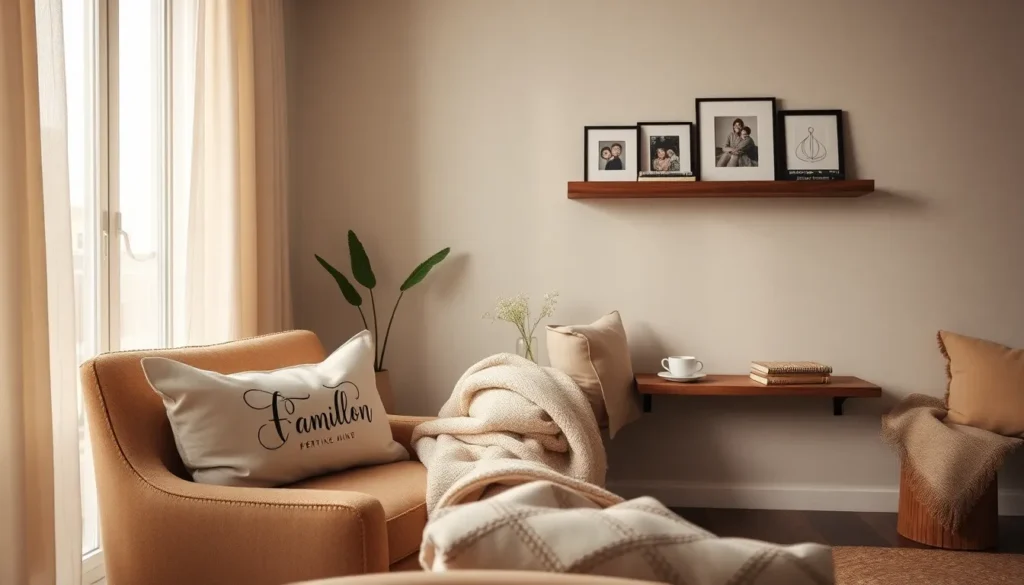
Comfort forms the foundation of any home sweet home. This means investing in basics that support daily well-being. A comfortable bed matters more than a stylish one. Good lighting affects mood more than trendy fixtures. Soft textures, blankets, rugs, cushions, make spaces feel inviting rather than sterile.
Add Personal Touches
A home becomes sweet through personalization. Display photos of loved ones. Hang artwork that brings joy. Keep meaningful objects visible, a grandmother’s vase, a souvenir from a memorable trip, books that shaped personal thinking. These items transform generic space into a reflection of individual identity.
Create Zones for Different Activities
Even small homes benefit from designated areas. A reading corner with good light and a comfortable chair. A kitchen setup that makes cooking enjoyable. A workspace that supports focus. When different activities have their own spots, the entire home functions better.
Consider the Senses
A truly sweet home engages all five senses. Pleasant scents from candles, fresh flowers, or baking bread. Music or natural sounds that create atmosphere. Visual elements that please the eye. Textures that feel good to touch. These sensory details make home a place people want to spend time.
Maintain Order Without Obsession
Clutter creates stress, but perfectionism creates its own pressure. The goal is a home that feels calm and manageable, not a showroom. Regular tidying, smart storage solutions, and letting go of unused items all contribute to a more peaceful environment.
Home Sweet Home in Modern Culture
The phrase “home sweet home” continues to appear throughout modern culture. It shows up in music, film, television, and social media, always carrying that same core meaning of comfort and belonging.
In music, artists across genres have referenced the concept. Mötley Crüe’s 1985 power ballad “Home Sweet Home” became one of the defining songs of 1980s rock. Country, folk, and pop musicians regularly return to themes of home, longing, and return.
Home improvement shows have turned creating a sweet home into entertainment. Programs like Fixer Upper, Property Brothers, and countless others tap into the universal desire to build a better living space. These shows attract millions of viewers who dream of transforming their own homes.
Social media has amplified home sweet home culture. Instagram and Pinterest overflow with interior design inspiration. TikTok features home tours, organization hacks, and DIY projects. The hashtag #homesweethome has been used millions of times across platforms.
The phrase also appears in advertising. Real estate companies, furniture retailers, and home goods brands use “home sweet home” to connect products with emotional meaning. They understand that people aren’t just buying houses or sofas, they’re buying the feeling of having a place where they truly belong.
This cultural presence shows that the 200-year-old phrase hasn’t lost its power. If anything, modern life has made the concept more relevant. In an age of constant connectivity and rapid change, the desire for a personal sanctuary has only grown stronger.