
Table of Contents
ToggleHome sweet home tips can transform any living space into a personal retreat. A comfortable home does more than look good, it affects mood, productivity, and overall well-being. Whether someone lives in a studio apartment or a sprawling house, small changes can create big improvements in how a space feels.
The good news? Making a home more comfortable doesn’t require a complete renovation or a massive budget. Strategic adjustments to organization, lighting, scents, and personal décor can turn any room into a welcoming sanctuary. This guide covers practical ways to enhance comfort throughout the home, from decluttering strategies to creating cozy reading nooks.
Key Takeaways
- Decluttering is one of the most effective home sweet home tips—use the four-box method (Keep, Donate, Trash, Relocate) to reduce visual noise and stress.
- Create cozy corners with comfortable seating, good lighting, and layered textures to give yourself dedicated relaxation spots throughout your home.
- Layer three types of lighting—ambient, task, and accent—and use warm bulbs (2700K-3000K) to make rooms feel inviting rather than institutional.
- Use calming scents like lavender or vanilla through candles or diffusers to enhance comfort, but stick to one signature scent per room to avoid overload.
- Add personal touches such as gallery walls, travel souvenirs, and low-maintenance plants to transform a generic space into a meaningful home.
Declutter and Organize for a Calmer Environment
Clutter creates visual noise. When surfaces overflow with items, the brain processes each object as a task or distraction. Studies from Princeton University found that clutter competes for attention, reducing working memory and increasing stress levels. This makes decluttering one of the most effective home sweet home tips anyone can carry out.
Start with one room at a time. The “four-box method” works well here: label boxes as Keep, Donate, Trash, and Relocate. Pick up each item and place it in the appropriate box. This system prevents the common mistake of moving clutter from one spot to another.
Storage solutions make maintaining organization easier. Clear bins let people see contents without opening them. Vertical storage, like wall-mounted shelves and over-door organizers, maximizes floor space. Drawer dividers keep small items from becoming jumbled messes.
A few specific areas deserve extra attention:
- Entryways: Install hooks for keys and bags. Add a small tray for mail.
- Kitchen counters: Store rarely-used appliances in cabinets. Keep only daily essentials visible.
- Bedroom surfaces: Limit nightstand items to a lamp, phone charger, and one or two personal objects.
The goal isn’t a minimalist showcase. It’s creating breathing room. When everything has a designated spot, cleaning becomes faster and finding things becomes effortless. That alone reduces daily friction and makes a home feel more comfortable.
Create Cozy Corners Throughout Your Home
Every home benefits from dedicated relaxation spots. These cozy corners give people permission to pause, whether for reading, meditation, or simply staring out a window with coffee. Creating them is one of the most rewarding home sweet home tips.
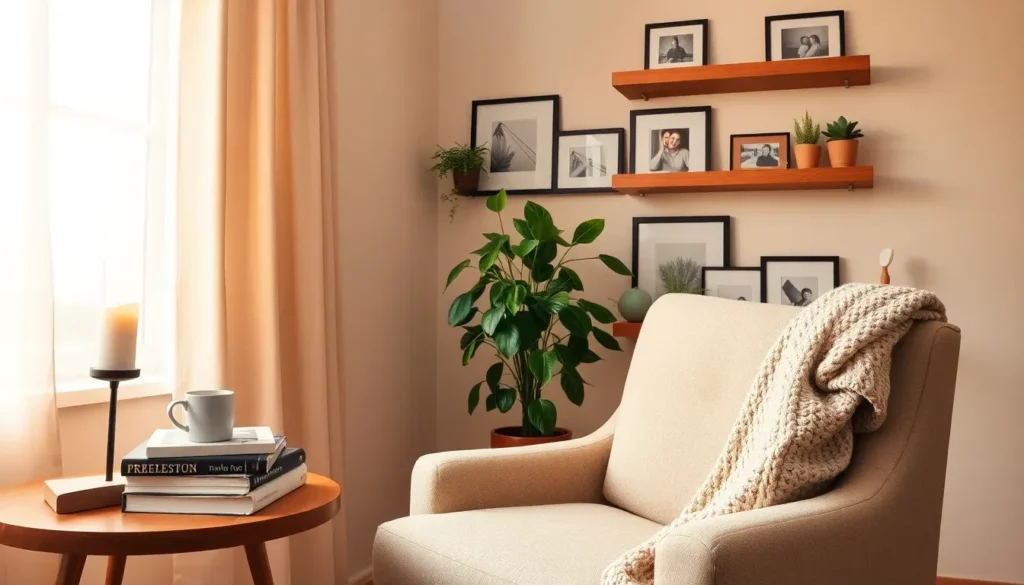
A reading nook needs three elements: comfortable seating, good light, and accessible book storage. An armchair near a window works perfectly. Add a small side table for beverages and a floor lamp for evening reading. A basket or low bookshelf keeps current reads within reach.
For those without extra space, a corner of an existing room works fine. Place a plush floor cushion or bean bag against two walls. Drape a soft throw blanket nearby. Instant cozy corner.
Texture matters enormously in these spaces. Layer different materials, a velvet pillow on a linen chair, a chunky knit blanket over smooth leather. This tactile variety makes the space feel inviting and encourages people to settle in.
Window seats represent the ultimate cozy corner opportunity. Even without built-in seating, a bench with cushions beneath a window creates a similar effect. Add curtains that frame the view, and the spot becomes a natural gathering place.
Bedrooms benefit from reading corners too. A small chair in a corner, away from the bed, separates relaxation from sleep. This distinction actually helps with better rest, as the brain associates the bed only with sleeping.
These dedicated comfort zones transform how people use their homes. Instead of defaulting to the couch, they have options. That variety keeps living spaces feeling fresh and functional.
Enhance Comfort With Lighting and Scents
Lighting controls atmosphere more than most people realize. Harsh overhead lights make spaces feel institutional. Warm, layered lighting creates intimacy and comfort. This understanding forms the foundation of effective home sweet home tips.
The ideal room has three lighting layers:
- Ambient lighting: General illumination from ceiling fixtures or recessed lights
- Task lighting: Focused light for specific activities like reading or cooking
- Accent lighting: Decorative light that highlights art or architectural features
Dimmer switches transform any fixture into a mood-setter. They cost around $15-25 each and take about 15 minutes to install. The ability to adjust brightness throughout the day makes rooms feel different at 7 AM versus 7 PM.
Bulb temperature matters too. Look for bulbs rated between 2700K and 3000K for living spaces. These emit warm, yellowish light similar to incandescent bulbs. Bulbs above 4000K produce cooler, bluish light better suited for offices or garages.
Scent works alongside lighting to create comfort. The olfactory system connects directly to the brain’s emotional center, making scent a powerful mood influencer. Certain scents have documented effects:
- Lavender: Promotes relaxation and sleep
- Citrus: Increases energy and alertness
- Vanilla: Creates feelings of warmth and comfort
- Eucalyptus: Helps with focus and clarity
Candles, diffusers, and room sprays all deliver scent effectively. Candles add visual warmth too. Diffusers provide consistent fragrance without an open flame. Room sprays offer quick refreshes before guests arrive.
One caution: avoid scent overload. A single signature scent per room prevents olfactory fatigue and keeps the home smelling pleasant rather than overwhelming.
Add Personal Touches That Reflect Your Style
Generic décor creates generic spaces. Personal touches transform a house into a home. This might be the most important of all home sweet home tips because it addresses the emotional connection people have with their living spaces.
Family photos remain the classic personal touch, but presentation matters. Rather than scattering frames randomly, create a gallery wall with cohesive frames in varying sizes. Black and white photos often work better in groups than color images because they create visual unity.
Travel souvenirs tell stories without saying a word. A wooden mask from Bali, tiles from Portugal, or textiles from Morocco become conversation pieces. Display them intentionally, on dedicated shelves or as focal points, rather than letting them disappear into clutter.
Art doesn’t need to be expensive. Local artists often sell original pieces at accessible prices. Print-on-demand services offer high-quality reproductions of classic works. Even children’s artwork, professionally framed, adds charm and personality.
Books serve dual purposes in home décor. They provide entertainment and education while adding color and texture to shelves. Organizing books by color creates visual impact. Stacking them horizontally with small objects on top adds dimension.
Plants bring life into any room, literally. They purify air, add color, and create a sense of vitality. For those without green thumbs, low-maintenance options like pothos, snake plants, and ZZ plants thrive with minimal attention. Even high-quality artificial plants work in low-light areas.
The key to personal touches is authenticity. Décor should reflect actual interests and experiences, not trends or what “should” be displayed. A home filled with meaningful objects feels fundamentally different from one decorated by a catalog.