
Table of Contents
Toggle“Home sweet home” remains one of the most recognized phrases in the English language. But how does home sweet home vs other popular sayings stack up? From “home is where the heart is” to “there’s no place like home,” people have many ways to express their love for their living spaces. This article compares home sweet home vs its most popular alternatives. Readers will discover the origins, meanings, and best uses for each phrase. Whether someone wants to choose wall art, create a personalized sign, or simply understand these expressions better, this guide covers everything they need to know.
Key Takeaways
- “Home sweet home” originated in 1823 from John Howard Payne’s opera and remains one of the most recognized phrases about domestic life.
- When comparing home sweet home vs “home is where the heart is,” the key difference is physical space versus emotional connection to loved ones.
- “There’s no place like home” shares the same 1823 origin but carries stronger nostalgia, often implying a journey before appreciating home.
- Home sweet home wins on versatility for decor, adapting easily to farmhouse, modern, and traditional design styles.
- Modern variations like “home sweet apartment” or “home sweet camper” let people personalize the classic phrase to reflect their actual living situations.
- Choose home sweet home vs other sayings based on your decor style, living situation, and whether you value a specific place or the people in it.
Understanding the Classic Phrase Home Sweet Home
The phrase “home sweet home” dates back to 1823. American actor and playwright John Howard Payne wrote it for his opera “Clari, or the Maid of Milan.” The song became an instant hit and spread across America and Britain within years.
The expression captures a simple truth: people find comfort in their own homes. It speaks to the relief someone feels after a long trip or a hard day at work. That moment when they walk through their front door and finally relax, that’s home sweet home in action.
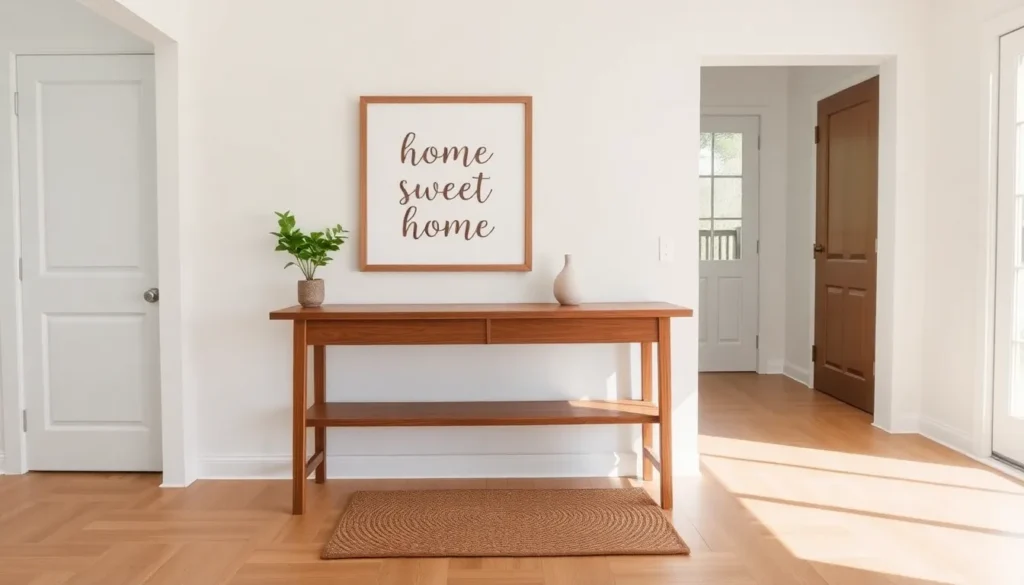
Today, this phrase appears everywhere. People hang it on wall signs, stitch it onto pillows, and print it on doormats. It works well because it’s short, memorable, and universally understood. Nearly everyone knows what someone means when they say “home sweet home.”
The phrase also carries emotional weight. It suggests that a home isn’t just a building. A home represents safety, love, and belonging. These deeper meanings explain why home sweet home has lasted for over 200 years while other sayings have faded away.
When comparing home sweet home vs other phrases, its longevity stands out. Few expressions about domestic life have achieved this level of cultural staying power.
Home Sweet Home Vs Home Is Where the Heart Is
“Home is where the heart is” takes a different approach than home sweet home. This phrase focuses on emotional connection rather than physical comfort.
The origins of “home is where the heart is” remain unclear. Some trace it to Pliny the Elder in ancient Rome. Others point to various 19th-century American sources. Regardless of its exact origin, the saying emphasizes that home isn’t about a specific place.
Here’s the key difference in the home sweet home vs “home is where the heart is” comparison:
- Home sweet home celebrates a specific physical space
- Home is where the heart is suggests home can be anywhere loved ones gather
This distinction matters for how people use each phrase. Someone who moves frequently might prefer “home is where the heart is.” It validates their experience of creating home in multiple locations. Meanwhile, someone deeply attached to their family house might lean toward home sweet home.
The phrases also work differently in decor. “Home is where the heart is” often appears with heart imagery or family photos. Home sweet home typically shows up with house silhouettes or welcome-style designs.
Both sayings express love for home. They just define “home” in slightly different ways. One points to walls and a roof. The other points to people and relationships.
Home Sweet Home Vs There’s No Place Like Home
“There’s no place like home” gained massive popularity through The Wizard of Oz. Dorothy’s famous line cemented this phrase in American culture. But the expression actually predates the 1939 film.
The saying appears in John Howard Payne’s same 1823 song that gave us home sweet home. So these two phrases share the same origin. They’ve just taken different paths through popular culture.
In the home sweet home vs “there’s no place like home” debate, context matters most. “There’s no place like home” carries strong nostalgia. It often implies someone has traveled or experienced other places before appreciating their home. Dorothy had to visit Oz to truly understand Kansas.
Home sweet home, by contrast, doesn’t require a journey. Someone can feel that their home is sweet without ever leaving it. The phrase works for both homebodies and travelers.
Practical differences exist too:
- Length: Home sweet home is shorter and fits better on small signs
- Recognition: Both rank highly, but Wizard of Oz references can feel dated to younger audiences
- Tone: “There’s no place like home” sounds slightly more dramatic
For home decor, home sweet home wins on versatility. It adapts to farmhouse style, modern minimalism, and traditional design. “There’s no place like home” tends to work better in nostalgic or Americana-themed spaces.
Modern Takes on the Traditional Saying
Contemporary culture has produced many variations on home sweet home. These updates reflect changing attitudes about living spaces and what “home” means today.
Some popular modern alternatives include:
- “Home sweet apartment” – For renters who embrace their living situation
- “Home sweet condo” – Condo owners often display this variation proudly
- “Home sweet camper” or “Home sweet RV” – For the mobile living community
- “Home sweet chaos” – A humorous take for busy families
These variations show how flexible the original phrase remains. People adapt home sweet home vs sticking with the original because they want something that reflects their actual lives.
Social media has also created new expressions. Phrases like “make yourself at home” and “good vibes only” sometimes replace traditional sayings in home decor. But, home sweet home continues to outsell these newer options.
The minimalist movement brought another shift. Some people now prefer single words like “home” or “welcome” over full phrases. These options feel less cluttered to certain aesthetic preferences.
Still, traditional phrases maintain strong appeal. When comparing home sweet home vs modern alternatives, the classic version offers instant recognition. Everyone understands it immediately. Newer phrases sometimes require explanation or feel too trendy.
For those who want personality without losing familiarity, the modified versions work well. They keep the home sweet home structure while adding a personal twist.
Choosing the Right Phrase for Your Space
Selecting between home sweet home vs other options depends on several factors. The right choice varies based on personal style, living situation, and intended message.
Consider the Space
Entryways benefit from welcoming phrases. Home sweet home works perfectly here because visitors see it immediately. It sets a warm tone before guests even sit down.
Living rooms offer more flexibility. This central space can handle longer phrases like “home is where the heart is” without feeling cramped.
Kitchens often feature food-related phrases instead. But home sweet home still works, especially in farmhouse-style designs.
Match the Decor Style
Different phrases suit different aesthetics:
- Farmhouse: Home sweet home fits naturally with rustic wood and neutral colors
- Modern: Shorter phrases or single words often work better
- Traditional: Any classic phrase works well
- Bohemian: More creative or customized sayings tend to fit this style
Think About the Audience
Who will see this phrase most? Family members might appreciate personal touches. Frequent guests might prefer universally recognized sayings.
Home sweet home vs alternatives really comes down to this: does the phrase feel true? If someone genuinely loves their space, home sweet home expresses that simply and directly. If they value relationships over locations, “home is where the heart is” might resonate more.