
Table of Contents
ToggleLearning how to home sweet home starts with intention. A house provides shelter, but a home offers comfort, belonging, and peace. The difference lies in the details, personal touches, cozy corners, and daily habits that transform four walls into a sanctuary.
Many people move into a new space and wonder why it feels empty. The furniture is there. The utilities work. Yet something is missing. That missing piece is often connection. A home sweet home reflects who lives there. It tells a story through photographs, textures, and the smell of morning coffee.
This guide covers practical ways to turn any house into a true home. From meaningful decor to grounding routines, these strategies help anyone create a space that welcomes them at the end of each day.
Key Takeaways
- A home sweet home reflects your identity through meaningful decor like family photos, travel souvenirs, and inherited objects that tell your story.
- Layer soft textiles such as blankets, rugs, and curtains to create cozy, comfortable living areas that invite relaxation.
- Establish daily routines and rituals—like morning coffee or mealtime traditions—to deepen your emotional connection to your space.
- Use warm, layered lighting with table lamps, floor lamps, and candles instead of harsh overhead lights to create an inviting atmosphere.
- Bring nature indoors with houseplants, natural materials, and fresh flowers to add warmth, life, and vitality to your home sweet home.
- Focus on personal taste over trends when decorating, ensuring your space feels authentic and uniquely yours.
Personalize Your Space With Meaningful Decor
A home sweet home displays items that matter. Generic artwork from big-box stores can look nice, but personal pieces create emotional anchors. Family photographs, travel souvenirs, and inherited objects remind residents of their history and relationships.
Start with one room. Choose three to five items that spark genuine memories. A framed concert ticket from a first date. A ceramic bowl from a grandmother’s kitchen. A map marking places visited. These objects don’t need to match perfectly. They need to mean something.
Color also plays a role in making a house feel like home sweet home. Paint an accent wall in a favorite shade. Add throw pillows in colors that bring joy. The goal is not to follow trends but to reflect personal taste.
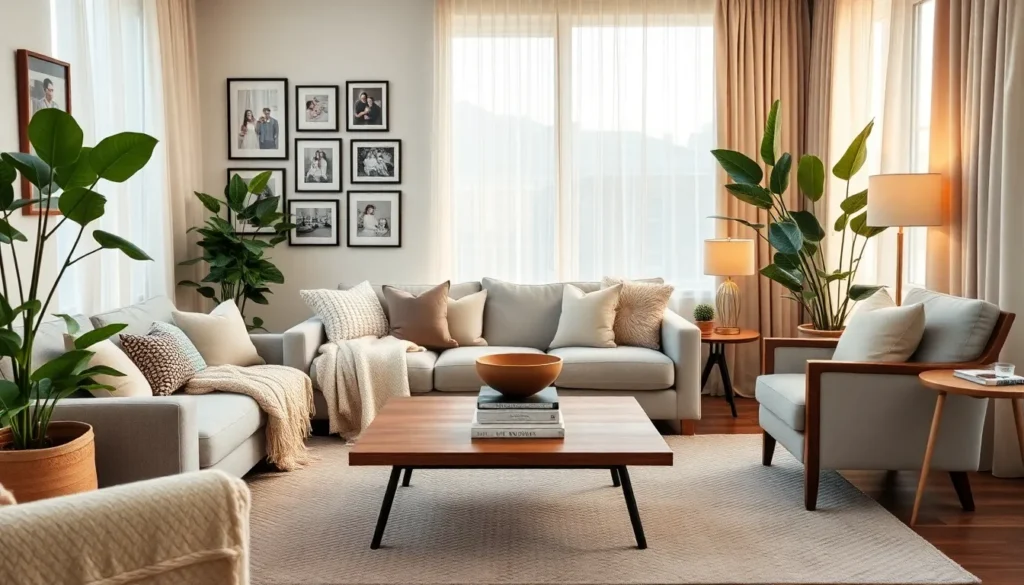
Wall arrangements deserve attention too. Gallery walls work well for displaying art, photos, and prints together. Mix frame sizes and styles for visual interest. Some people prefer symmetry while others like an eclectic look. Either approach works as long as it feels authentic.
Don’t forget the small touches. Meaningful decor includes books on shelves, collections displayed in groups, and handwritten notes pinned to bulletin boards. These details signal that real people live here, people with stories, interests, and connections.
Create Cozy and Comfortable Living Areas
Comfort turns a house into a home sweet home faster than almost anything else. Physical ease allows the body to relax, and relaxation fosters emotional attachment to a space.
Textiles are the quickest path to cozy. Soft blankets draped over sofas invite lounging. Area rugs warm up hard floors and define seating areas. Curtains filter light and add softness to windows. Layer different textures, velvet, cotton, wool, linen, for depth and warmth.
Furniture arrangement matters as much as furniture selection. Position seating to encourage conversation. Create reading nooks with good lighting and a comfortable chair. Ensure each room has a clear purpose and flow. Cluttered spaces feel chaotic, not cozy.
Lighting transforms the atmosphere of any room. Harsh overhead lights can make a home sweet home feel sterile. Table lamps, floor lamps, and candles create pools of warm light that feel inviting. Dimmer switches offer flexibility for different moods and activities.
Temperature affects comfort too. A well-heated room in winter or a cool space in summer helps people feel at ease. Ceiling fans, space heaters, and proper insulation all contribute to physical comfort.
Finally, consider sound. Soft background music, a ticking clock, or even pleasant silence can make a space feel more like home. Remove sources of unpleasant noise when possible. A truly comfortable home engages all the senses.
Establish Routines and Rituals That Ground You
A home sweet home isn’t just about objects. It’s about what happens inside those walls. Daily routines and weekly rituals create rhythm and meaning that deepen connection to a space.
Morning routines set the tone. Brewing coffee in the same mug each day, opening curtains to let in light, or stretching in a favorite spot, these small acts anchor people to their environment. The repetition builds familiarity, and familiarity breeds comfort.
Mealtime rituals strengthen the home sweet home feeling. Eating dinner at the table instead of the couch, lighting a candle before meals, or cooking a special dish on Sundays, these habits turn ordinary moments into meaningful ones.
Weekly traditions help too. Friday movie nights, Saturday morning pancakes, or Sunday cleaning sessions give the week structure. They also create memories tied to specific rooms and activities.
Seasonal rituals mark the passage of time. Decorating for holidays, deep cleaning in spring, or changing out textiles for different seasons keeps a home feeling fresh and intentional.
Even bedtime routines contribute. Reading before sleep, keeping the bedroom tidy, and maintaining consistent sleep hours make the bedroom a true retreat. A home sweet home supports rest as well as activity.
These routines don’t require perfection. They simply require consistency. Over time, they become the invisible threads that weave a house into a home.
Bring Nature Indoors for Warmth and Life
Plants and natural elements make any space feel more like a home sweet home. Living things add energy and vitality that synthetic materials cannot replicate.
Houseplants improve air quality and provide visual interest. Beginners can start with low-maintenance options like pothos, snake plants, or succulents. More experienced plant parents might try fiddle leaf figs or orchids. Group plants in clusters for impact, or place single specimens as focal points.
Natural materials extend the organic feel. Wood furniture, stone countertops, cotton linens, and wool rugs connect a home sweet home to the natural world. These materials age gracefully and develop character over time.
Natural light deserves priority. Open blinds during the day. Position mirrors to reflect sunlight into darker corners. Remove heavy window treatments that block natural illumination. Sunlight elevates mood and makes spaces feel alive.
Fresh flowers, even simple grocery store bouquets, add color and fragrance. Dried flowers and branches work for those who want lasting arrangements. A vase of eucalyptus in the bathroom or a bowl of seasonal fruit in the kitchen brings nature to unexpected places.
Outdoor views enhance the indoor experience. Position furniture to face windows when possible. If views are limited, nature photography or landscape paintings can substitute. The goal is to remind residents that the natural world exists beyond their walls.
Water features, small tabletop fountains or fish tanks, add movement and sound. These elements bring life and calm to a home sweet home.